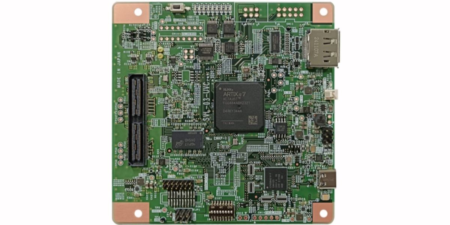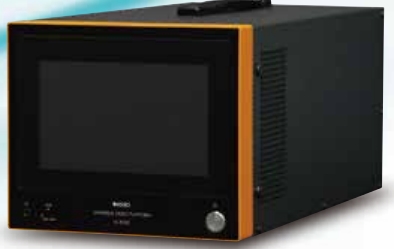
NetVision SVM-06 MIPI Monitoring Board
Real-time MIPI CSI-2 monitoring platform for camera, image-sensor, ECU, and embedded imaging-system evaluation.
View SVM-06MIPI · Parallel Video · SerDes · Automotive Camera
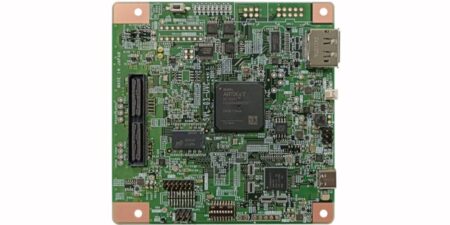
Explore NetVision and ASTRODESIGN technologies for camera-interface monitoring, signal generation, recording, SerDes connectivity, protocol validation, and automotive imaging development.
Start with the interface and signal task you need to perform, then review the hardware and validation platforms that fit your development workflow.
FIND YOUR SOLUTION
Select the interface or validation workflow that best matches your development requirement.
Real-time MIPI CSI-2 monitoring
Monitor MIPI CSI-2 camera and image-sensor signals for live display, capture, debugging, and interface evaluation.
Recommended for this solution
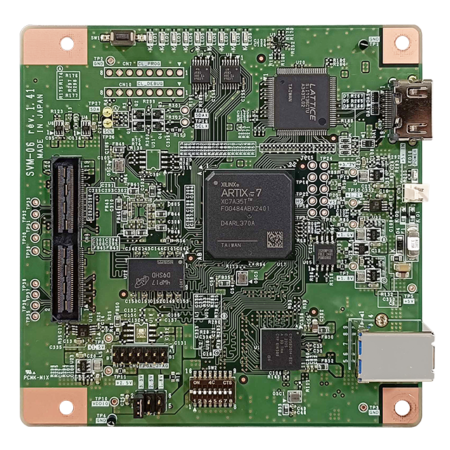
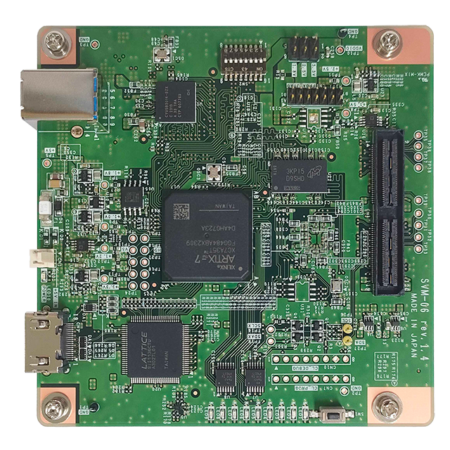
Real-time MIPI CSI-2 monitoring platform for camera, image-sensor, ECU, and embedded imaging-system evaluation.
View SVM-06
MIPI CSI-2 monitoring and capture platform for high-bandwidth camera and image-sensor evaluation.
View SVL-03-UVCMIPI CSI-2 generation and system validation
Generate and evaluate MIPI camera-interface signals for camera emulation, ECU and image-processor development, protocol validation, and system-level testing.
Recommended for this solution
MIPI CSI-2 generator for camera emulation, recorded-video playback, and ECU or image-processor development.
View SVO-06
Flexible MIPI CSI-2 generation platform for camera emulation and video-input development workflows.
View SVL-03-GEN
Configurable generator and analyzer platform for MIPI interface development, protocol analysis, abnormal-condition testing, and system-level validation.
View LS-8500Parallel camera-interface development
Monitor, generate, record, and analyze parallel-interface video for camera-module development, image-processor evaluation, debugging, and image inspection.
Recommended for this solution
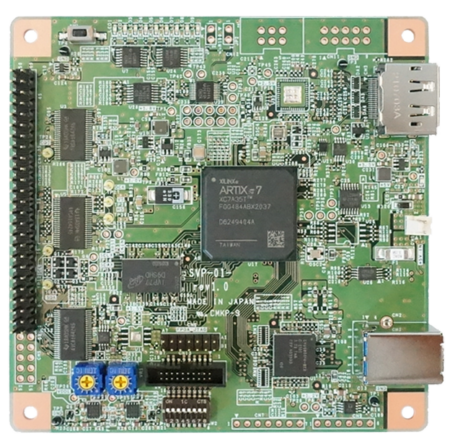
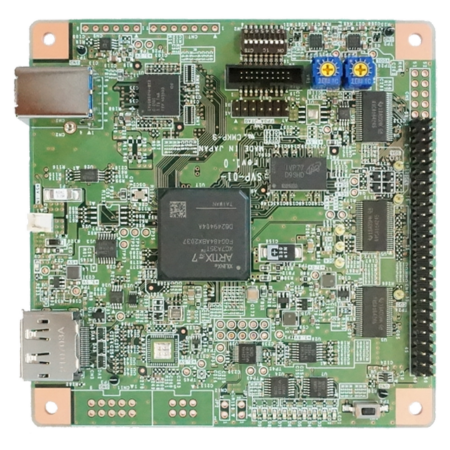
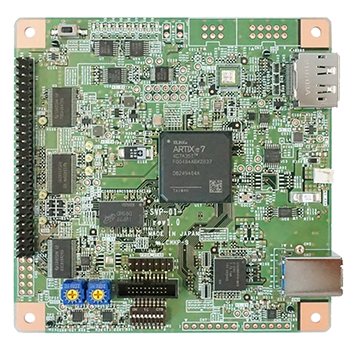
Parallel-camera monitoring with selectable USB 3.0 UVC or DisplayPort output for live camera and image-sensor evaluation.
View SVP-01-UVC
Parallel-video generator for camera emulation and configurable video-interface development workflows.
View SVP-01-GEN
Parallel video display, recording, and analysis platform for camera development and image inspection.
View SVP-01-VNDAutomotive camera-interface conversion
Connect automotive digital-video interfaces such as FPD-Link III, GMSL, and GVIF2 with MIPI or parallel camera-development hardware.
Recommended for this solution
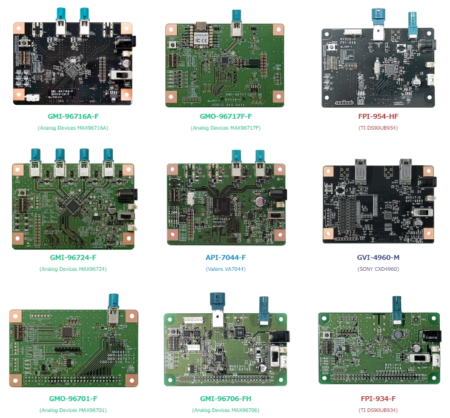
SerDes interface-board family for connecting automotive camera interfaces with MIPI or parallel-based evaluation hardware.
View SerDes Interface BoardsAutomotive camera-system development
Evaluate automotive camera systems from ISP development and MIPI video processing through ECU, ADAS, protocol, and system-level validation.
Recommended for this solution
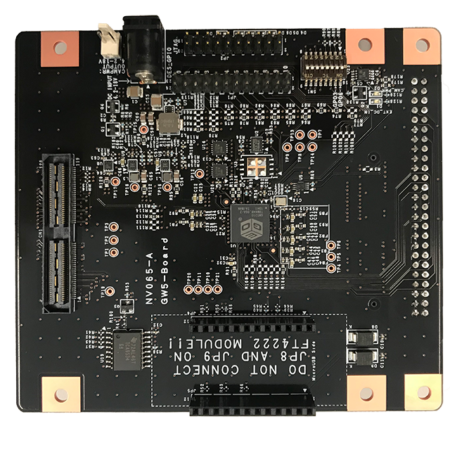
Automotive camera ISP development board for rapid prototyping, MIPI camera input, image processing, and automotive imaging evaluation.
View GW5 Board
Configurable platform for automotive camera, ECU, ADAS, protocol, abnormal-condition, and long-duration system validation.
View LS-8500Camera & Video Interface Workflow
Camera-interface development often spans several layers. Use monitoring and generation hardware for board-level signal work, SerDes hardware for automotive camera connectivity, and system-level analyzers when protocol and abnormal-condition validation are required.
Camera Interface Test Applications
Camera-interface development can require signal monitoring, camera emulation, video generation, recording, SerDes conversion, protocol analysis, and system-level validation. The appropriate workflow depends on the interface, signal direction, development stage, and whether the test object is a camera module, image sensor, ISP, ECU, ADAS controller, or complete imaging system.
MIPI monitoring is used when engineers need to receive and observe live CSI-2 output from a camera module, image sensor, ECU, or embedded imaging system. Typical tasks include live display, capture, debugging, signal verification, and synchronized multi-camera evaluation.
MIPI generation is useful when the downstream device must be tested without relying on a physical production camera. Repeatable CSI-2 video can be generated for ECU, ISP, image processor, and ADAS development, allowing controlled validation of video-input behavior.
Parallel camera interfaces remain relevant in camera-module, image-sensor, and image-processing workflows. Monitoring, generation, recording, and analysis hardware can support development, debugging, image inspection, and repeatable system testing.
Automotive camera systems often use SerDes links such as FPD-Link III, GMSL, or GVIF2 between the camera and ECU. Interface hardware can bridge these links to MIPI or parallel development equipment for camera, ECU, and ADAS evaluation.
Automotive imaging development extends beyond the physical camera interface. Validation may include RAW and processed video, ISP behavior, protocol analysis, abnormal-condition testing, logging, and complete camera-to-ECU system workflows.
Test Method
Receive camera output to observe live video, capture image data, record streams, and investigate interface or image behavior during development.
Create repeatable camera or video signals to exercise an ECU, ISP, display path, or image-processing system without depending on a live camera source.
Extend testing to SerDes connectivity, protocol behavior, abnormal conditions, and system-level operation when the development target spans more than a single interface.
Selection Guidance
| Selection Point | Questions to Confirm | Why It Matters |
|---|---|---|
| Interface | MIPI CSI-2, parallel video, FPD-Link III, GMSL, GVIF2, or another interface? | Determines the required physical and protocol interface hardware. |
| Signal Direction | Do you need to monitor an existing signal or generate a camera/video signal? | Separates monitoring/capture applications from generation/emulation workflows. |
| Video Format | What resolution, frame rate, lane count, pixel format, and bandwidth are required? | Defines the throughput and configuration needed from the platform. |
| Development Target | Camera module, sensor, ISP, ECU, ADAS controller, or complete imaging system? | Helps determine whether board-level interface testing or system-level validation is appropriate. |
| Validation Scope | Is protocol analysis, abnormal-condition testing, logging, or automation required? | May require a broader generator/analyzer or system-validation platform. |
FAQ
It receives MIPI CSI-2 output from a camera, image sensor, or imaging system so engineers can display, capture, and evaluate the transmitted video during development and debugging.
A generator is useful when an ECU, ISP, image processor, or ADAS controller must be tested with repeatable camera input without depending on a live camera module.
Automotive cameras commonly transmit video through a SerDes link before the signal reaches the ECU. SerDes interface hardware can bridge that automotive link to MIPI or parallel test equipment so the full signal path can be evaluated.
Useful information includes the interface type, signal direction, resolution, frame rate, lane configuration, pixel format, SerDes environment, ISP or ECU requirements, and whether protocol or abnormal-condition validation is needed.
Application Support
Share your interface, signal direction, resolution, SerDes environment, ISP or ECU requirement, and validation scope. Denkei Americas can help narrow the appropriate NetVision and ASTRODESIGN hardware for your application.