

Motor & Mechanical Testing Solutions
Explore solution paths for motor torque and speed-torque performance, cogging torque and torque ripple, winding integrity, stator and armature inspection, and production electrical quality.
Choose the Requirement That Best Matches Your Project
This hub separates motor performance from winding and electrical-integrity testing so engineers can start from the behavior they need to measure.
Motor Performance & Torque
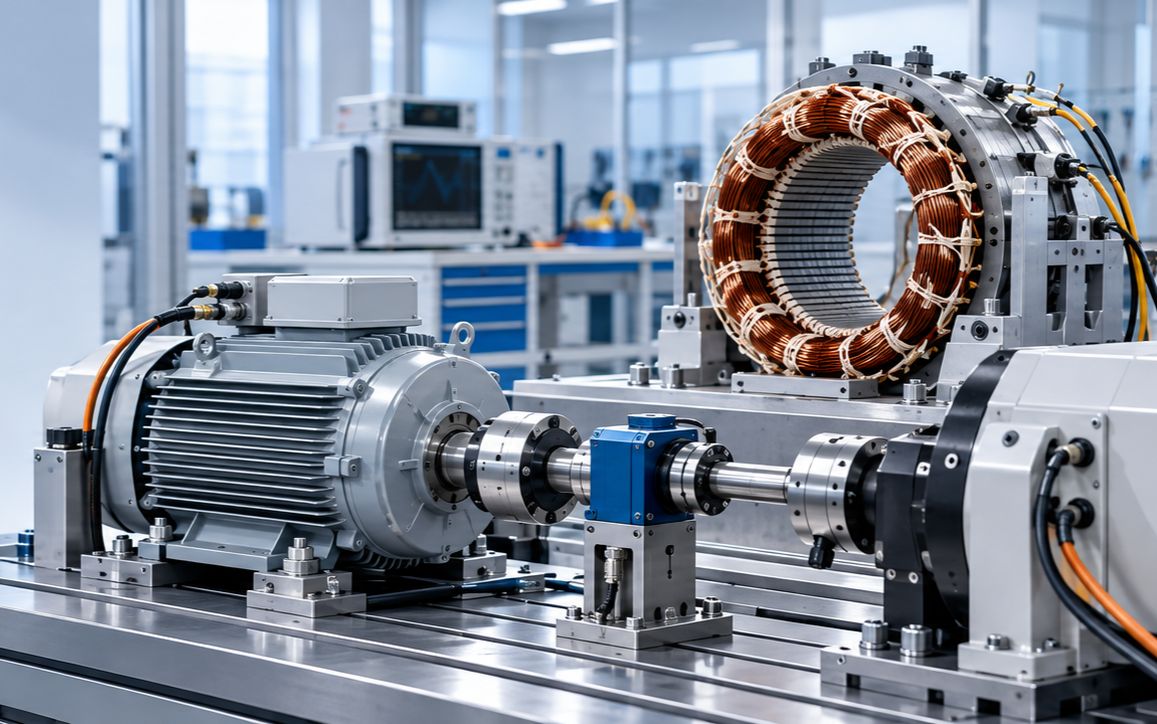
Measure torque, rotational speed, speed-torque characteristics, cogging torque, torque ripple, and repeatable motor loading.
Winding & Electrical Integrity
Inspect stators, armatures, windings, coils, insulation behavior, and production electrical quality.
Measure Motor Output, Torque Behavior & Speed-Torque Performance
Start here when the primary requirement is mechanical motor performance. Use the route that matches whether you need loaded motor characterization, cogging / torque-ripple evaluation, or a more specialized motor operating range.
Motor Torque Testing
Measure motor speed-torque characteristics with dynamometer systems for motor development, performance evaluation, and production inspection.
Cogging Torque & Torque Ripple Testing
Evaluate cogging torque, energized torque ripple, angular torque behavior, FFT components, and repeatable development or quality-control measurements.
Inspect Windings, Stators, Armatures & Coil Insulation
Electrical integrity is cross-linked from the Electrical & Component Testing area because motor projects often require both mechanical performance testing and winding-quality inspection.
What Should You Define First?
Motor-system selection starts with the motor type, torque and speed range, winding or insulation requirement, whether the motor is energized, and the development or production environment.
Define the motor or rotating assembly
Identify the motor type, bearing, spindle, rotor, stator, or complete rotating assembly being evaluated.
Define the mechanical behavior to measure
Torque, speed-torque performance, cogging torque, torque ripple, or another currently supported motor-performance characteristic.
Define the operating envelope
Torque range, rotational speed, duty cycle, direction, and required load profile determine the suitable test architecture.
Define electrical / winding requirements
Clarify whether mechanical testing must be paired with winding, insulation, partial-discharge, or production electrical inspection.
Define R&D vs. production use
Development characterization, durability testing, incoming inspection, and production QC can require different automation and data-handling approaches.
Tell Us What You Need to Measure on the Motor or Rotating System
Share the motor or rotating assembly, torque / speed range, winding requirement, measurement objective, and test environment. Denkei can help identify the appropriate motor-performance or winding-test path.