NetVision SVL-03-GEN MIPI Generator

NetVision
Supplier / Manufacturer: NetVision
Model: SVL-03-GEN

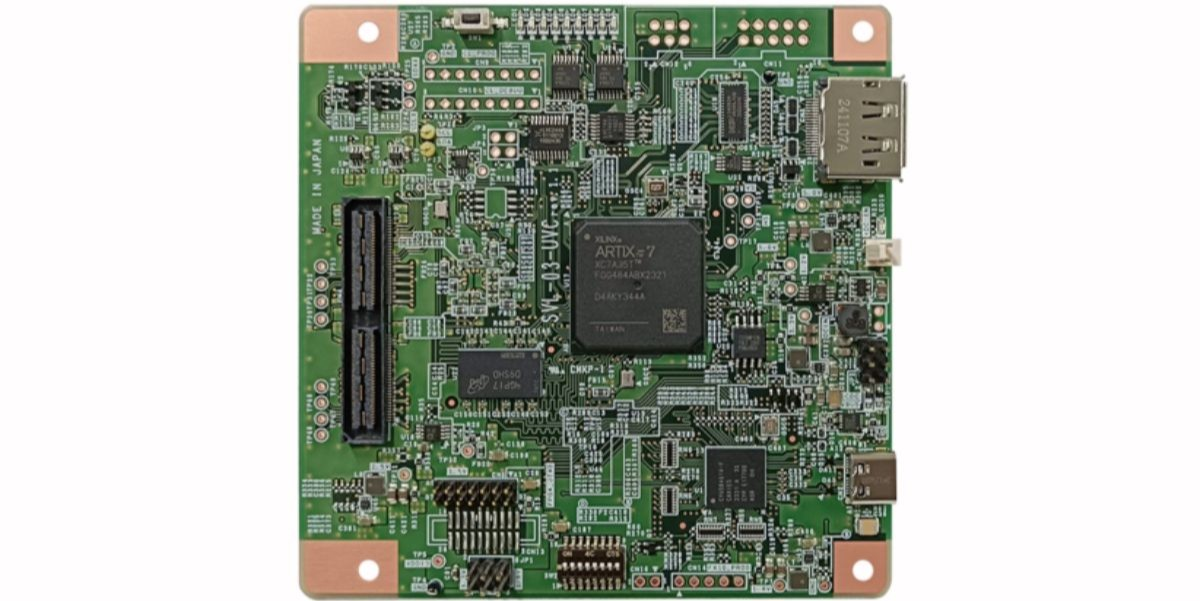
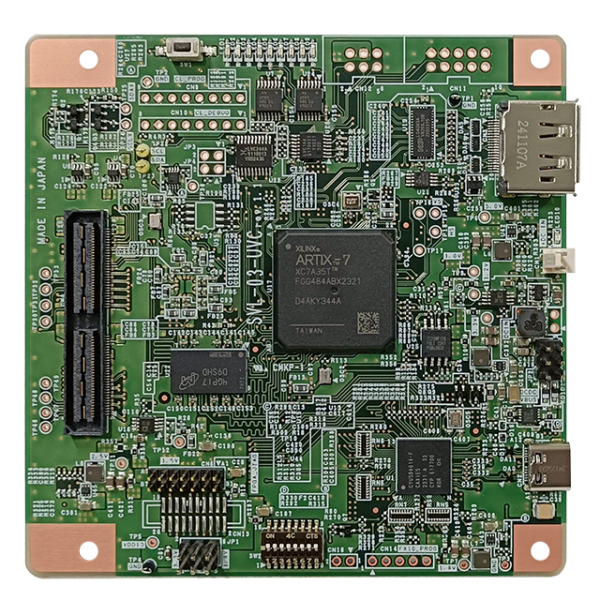
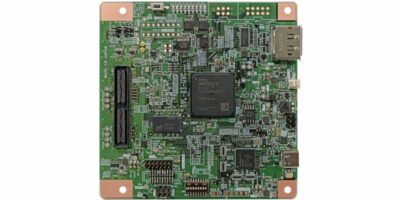
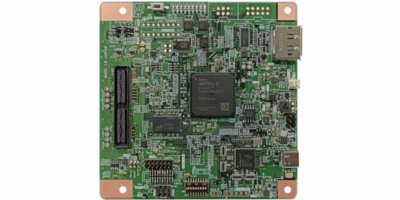
The NetVision SVL-03-GEN is a high-speed MIPI CSI-2 generator and camera emulation board that converts USB 3.2 Gen 2 or DisplayPort video into configurable MIPI CSI-2 output for camera, ECU, and image-processor development.

Industries & Applications:
Contact Us

SVL-03-GEN MIPI CSI-2 Generator & Camera Emulator

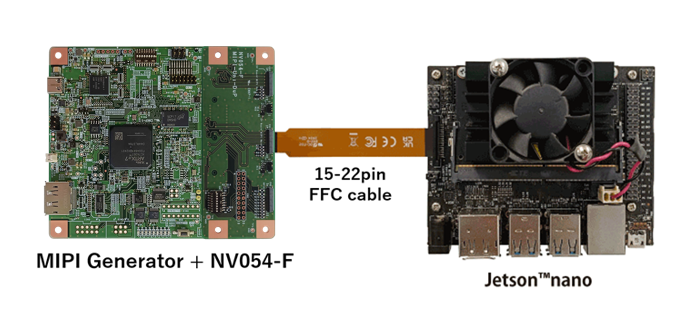
The NetVision SVL-03-GEN is a high-speed MIPI CSI-2 generator designed to emulate camera and image-sensor video for ECU, image-processor, and automotive camera-system development.

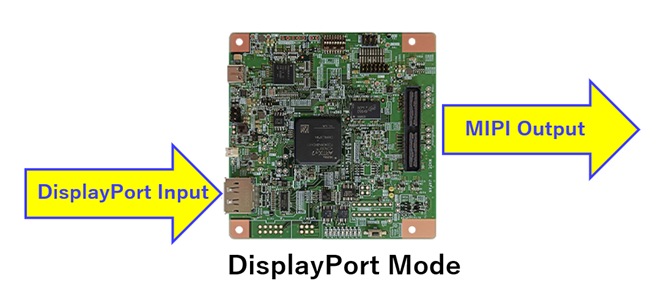
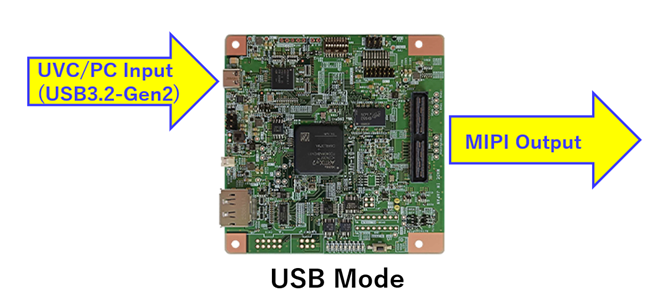
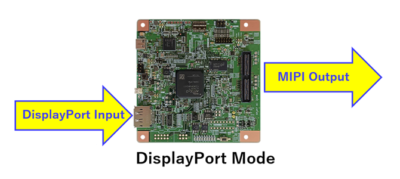
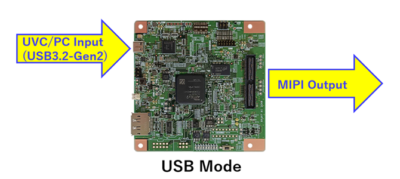
Video from a Windows PC through USB 3.2 Gen 2 or from a DisplayPort source can be converted into configurable MIPI CSI-2 output. Recorded camera footage, computer-generated images, and other video sources can therefore be supplied to a device under test as simulated camera data without requiring the target camera or sensor.

1.5 Gbps / Lane MIPI CSI-2 output using 1, 2, or 4 data lanes
USB 3.2 Gen 2 High-bandwidth video input from a Windows PC
6.0 Gbps Output MIPI output bandwidth for high-performance video evaluation
Camera Emulation Replay recorded or generated video as simulated camera output

Output resolution, frame timing, blanking, clipping, pixel format, and Virtual Channel settings can be configured for different development environments. The board also provides I2C, GPIO, synchronization, and automotive serializer integration.

An optional multi-board MIPI merge function allows video of different sizes to be combined and output as a single MIPI video stream.

High-Speed MIPI CSI-2 Output

Generates MIPI CSI-2 video using 1, 2, or 4 data lanes with configurable lane rates from 600 to 1500 Mbps per lane.

USB 3.2 Gen 2 Video Input

Uses USB 3.2 Gen 2 for video input from Windows systems, allowing recorded footage and computer-generated video to be supplied to the device under test.

DisplayPort 1.1a Input

Accepts DisplayPort video input for flexible camera-emulation workflows and supports configurable cropping of selected image regions for MIPI output.

Camera & Sensor Emulation

Reproduces recorded or computer-generated images as MIPI camera signals, supporting image-processor and ECU development even when the target camera is unavailable.

RAW & Multi-Format Support

Supports YUV422 8-bit, RGB24, RAW8, RAW10, RAW12, RAW16, and RAW20 output formats for a broad range of camera and image-processing evaluations.

Configurable Video Timing

Provides pixel-clock-level video output timing configuration, including blanking, together with image clipping and flexible output-resolution settings.

Virtual Channel Support

Supports MIPI CSI-2 Virtual Channels 0 through 3 for development and validation of multi-stream camera and image-processing systems.

I2C, GPIO & Synchronization

Includes one I2C channel, 16-bit configurable GPIO, and synchronous signal input and output for integration with cameras, SerDes devices, and test systems.

Automotive Serializer Integration

Supports compatible NetVision automotive serializer boards for transmitting generated MIPI video into in-vehicle camera and ECU evaluation environments.

Optional Multi-Board Video Merge

Multiple SVL-03-GEN boards can optionally combine video streams of different sizes and output them as a single MIPI video stream.
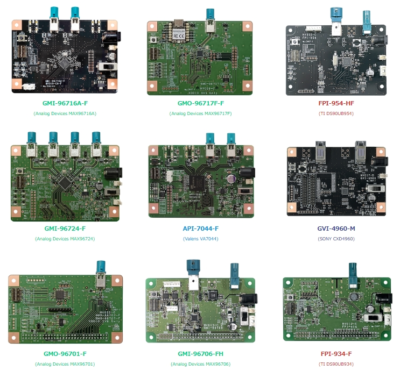
Building an automotive SerDes test environment? Pair the SVL-03-GEN with compatible NetVision serializer interface boards for GMSL, FPD-Link, GVIF, and other automotive video links. View NetVision SerDes Interface Boards →

MIPI CSI-2 camera emulation
Automotive ECU video-input validation
ADAS image-processing development
CMOS image-sensor emulation
DSP and image-processor verification
Recorded road-video reproduction
Development before the target camera is available
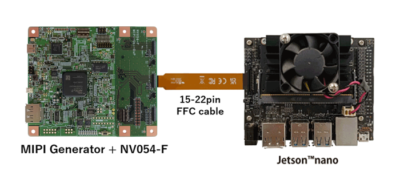
Jetson and embedded vision evaluation

SVL-03-GEN Specifications

Video Input Interface USB 3.2 Gen 2 (Windows); DisplayPort 1.1a
Video Output Interface MIPI CSI-2 video signal; continuous and non-continuous clock supported
Standard MIPI Configuration 4 data lanes + 1 clock lane
MIPI Data Lanes 1, 2, or 4 lanes; 3-lane operation is not supported
Data Rate per Lane 600 to 1500 Mbps
Clock Rate 300 to 750 MHz
Maximum Input Resolution 8190 × 4095 pixels
Input Bandwidth USB mode: within 3.0 Gbps; DisplayPort mode: within 5.4 Gbps
Maximum Output Resolution 8190 × 4095 pixels
Maximum Output Bandwidth 6.0 Gbps
Supported Pixel Formats YUV422 8-bit, RGB24, RAW8, RAW10, RAW12, RAW16, RAW20
Synchronization Frame Start / Frame End; synchronous signal input and output
I2C 1 channel; 100 / 200 / 400 kHz / 1 MHz
GPIO 16-bit; input / output direction configurable for each bit
Other Functions Video output timing configuration, automatic I2C transmission at startup, Virtual Channel 0–3, image clipping
Interface Connector 120-pin QSH-060-01-L-D-A
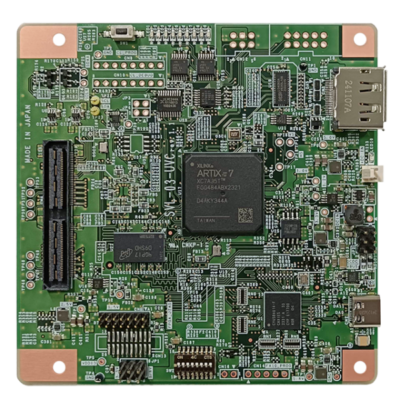
FPGA AMD Xilinx Artix-7 XC7A35T; Lattice CrossLink LIF-MD6000
Frame Memory 256 MB DDR3-SDRAM
USB Controller Infineon EZ-USB FX10
USB Connector USB 3.2 Gen 2 Type-C
Power Input USB bus power or dedicated 2-pin connector
Dimensions 101.6 × 101.6 × 24.0 mm, including 10 mm spacer height
Windows Software NVFilePlayer, SVLCtl, SVLUpdater