NetVision SVI-09-MIPI MIPI Image Recorder
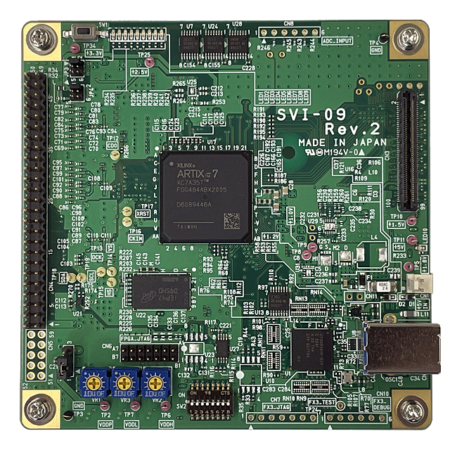
MIPI CSI-2 recording and analysis platform for capturing, displaying, recording, and inspecting camera or image-sensor data.
View SVI-09-MIPICamera · Image · Protocol · Optical · Automotive
Explore NetVision and ASTRODESIGN technologies for camera capture, image analysis, protocol validation, optical MTF measurement, and automotive camera evaluation.
Start with what you need to inspect or validate, then review the technologies that fit that stage of the camera-development workflow.
FIND YOUR SOLUTION
Select the inspection or validation task that best matches your development requirement.
MIPI CSI-2 camera evaluation
Record, inspect, and analyze MIPI CSI-2 camera and image-sensor signals for development, debugging, image evaluation, and data analysis.
Recommended for this solution
MIPI CSI-2 recording and analysis platform for capturing, displaying, recording, and inspecting camera or image-sensor data.
View SVI-09-MIPIParallel camera and sensor evaluation
Monitor, record, and analyze parallel-interface camera signals for camera-module development, image evaluation, debugging, and inspection.
Recommended for this solution
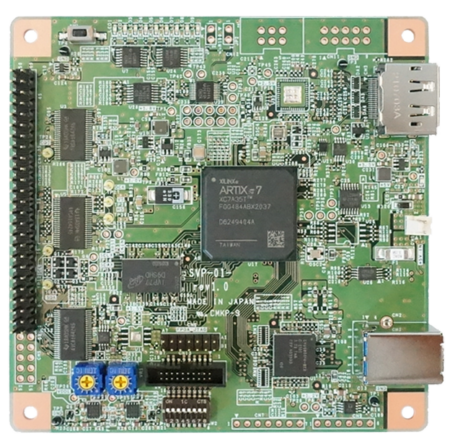
Parallel-video recording and analysis platform for inspecting captured image data and camera-interface behavior.
View SVP-01-VND
Parallel-camera monitoring solution with selectable USB 3.0 UVC or DisplayPort output for live camera and sensor evaluation.
View SVP-01-UVCSystem-level interface validation
Evaluate camera and video-interface behavior beyond image capture through protocol analysis, abnormal-condition testing, and long-duration validation.
Recommended for this solution
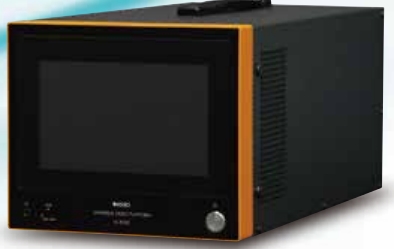
Configurable generator and analyzer platform for protocol analysis, abnormal-condition evaluation, long-duration logging, and camera or ECU interface validation.
View LS-8500Quantitative optical camera evaluation
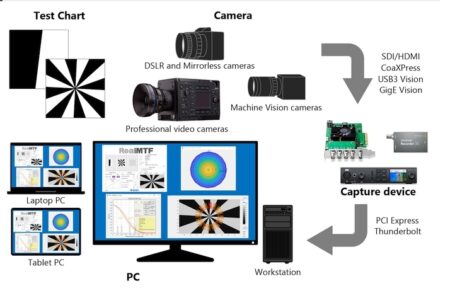
Quantitatively evaluate camera and lens spatial-resolution performance using real-time MTF measurement, multidirectional analysis, and camera image-quality measurement.
Recommended for this solution
Real-time camera and lens MTF measurement system supporting multidirectional analysis, ISO 12233 s-SFR workflows, and camera noise measurement.
View IP-8030 / IP-8030-MVAutomotive camera-system development
Build automotive camera evaluation workflows from SerDes interface conversion through camera-interface analysis and system-level validation.
Recommended for this solution
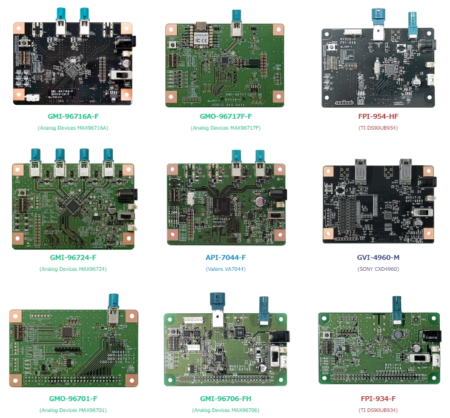
SerDes interface-board family for connecting automotive camera video interfaces with MIPI or parallel-based development and evaluation hardware.
View SerDes Interface Boards
Configurable platform for automotive camera, ECU, ADAS, protocol, abnormal-condition, and system-level interface validation workflows.
View LS-8500Camera Evaluation Workflow
Camera-system evaluation can involve several layers. Select technologies according to whether you need image capture and analysis, protocol validation, optical measurement, or automotive system evaluation.
Camera Evaluation Applications
Camera-system evaluation can involve several different layers: recording and inspecting image data, monitoring camera-interface behavior, validating protocol and abnormal conditions, measuring optical performance, and evaluating automotive camera-to-ECU workflows. The appropriate test path depends on the camera interface, the measurement objective, and whether the target is a camera module, image sensor, lens, ECU, ADAS subsystem, or complete imaging system.
MIPI camera inspection is used when image data from a CSI-2 camera or image sensor must be captured, displayed, recorded, and reviewed during development or debugging. This supports investigation of camera output and downstream image behavior without reducing the task to optical measurement alone.
Parallel-interface workflows support live camera monitoring, recording, and analysis for camera modules and image sensors. They are useful when engineers need to observe both interface behavior and captured image data during development and inspection.
Some camera-development programs require validation beyond image capture. Protocol analysis, abnormal-condition testing, error investigation, and long-duration validation help evaluate how the camera or video interface behaves at the system level.
Optical evaluation focuses on measurable image-quality performance such as spatial resolution and MTF. This is a different requirement from interface capture or protocol analysis and is used when camera or lens performance must be quantified during development, adjustment, or evaluation.
Automotive camera workflows can combine SerDes connectivity, camera-interface analysis, image evaluation, and system-level validation. The test architecture should reflect whether the objective is camera development, ECU or ADAS evaluation, or validation of the complete camera-to-ECU path.
Evaluation Method
Record or monitor MIPI and parallel camera signals so image data and interface behavior can be inspected during development.
Evaluate protocol behavior, abnormal conditions, errors, and long-duration operation when the requirement extends beyond image recording.
Use MTF-based measurement when the objective is quantitative evaluation of camera or lens spatial-resolution performance.
Combine SerDes connectivity with camera-interface and system-level validation for camera, ECU, and ADAS workflows.
Selection Guidance
| Selection Point | Questions to Confirm | Why It Matters |
|---|---|---|
| Camera Interface | MIPI CSI-2, parallel video, automotive SerDes, or another interface? | Determines the required connection and capture or analysis path. |
| Evaluation Objective | Do you need recording, image analysis, protocol validation, optical measurement, or complete system evaluation? | Separates fundamentally different test workflows that should not be selected by interface alone. |
| Image / Video Requirement | What resolution, signal format, recording requirement, and analysis workflow are needed? | Defines the capture and data-handling requirements of the evaluation platform. |
| Optical Measurement | Is quantitative MTF or spatial-resolution measurement required? | Indicates whether a dedicated optical measurement workflow is needed in addition to interface inspection. |
| Automotive Environment | Is SerDes conversion, ECU / ADAS evaluation, abnormal-condition testing, or long-duration validation required? | May require a broader system-level test architecture rather than a camera recorder alone. |
FAQ
Camera-interface inspection focuses on receiving, recording, monitoring, or analyzing image and interface data. Optical measurement focuses on measurable camera or lens image-quality performance such as spatial resolution and MTF. A development program may require one or both.
It is useful when engineers need to capture and inspect MIPI CSI-2 image data from a camera module or image sensor during development, debugging, or system evaluation.
It becomes relevant when the validation target includes interface behavior, error conditions, protocol operation, or long-duration system performance rather than image recording alone.
Useful information includes the camera interface, resolution, signal format, recording or analysis requirement, SerDes environment, protocol-validation need, optical measurement objective, and whether the target includes an ECU or ADAS system.
Application Support
Share your camera interface, resolution, signal format, recording or analysis requirement, SerDes environment, protocol-validation need, or optical measurement objective. Denkei Americas can help narrow the appropriate NetVision and ASTRODESIGN technologies for your application.