Home » Solutions » HDMI & Display Interface Testing Solutions

HDMI · DisplayPort · Protocol · Video Generation

HDMI & Display Interface Testing Solutions

Explore ASTRODESIGN solutions for HDMI signal generation, protocol analysis, automated source testing, DisplayPort, and multi-interface video validation.

Start with the device or interface behavior you need to test, then select the generation, analysis, or automated validation platform that fits your workflow.

FIND YOUR SOLUTION

What do you need to test?

Choose the signal-generation, protocol-analysis, source-testing, or multi-interface workflow that best matches your development requirement.

Selected solution HDMI Signal Generation

HDMI video signal generation

HDMI Signal Generation & Sink Evaluation

Generate repeatable HDMI video signals for display development, sink-device evaluation, high-resolution video testing, and HDMI interface validation.

Typical applications

  • HDMI 2.1 display development
  • 8K and 4K/120p evaluation
  • Television and monitor testing
  • HDMI sink-device development

Recommended for this solution

Recommended Products

HDMI 2.1 Generator
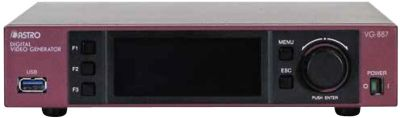
ASTRODESIGN VG-887 HDMI 2.1 Signal Generator

ASTRODESIGN VG-887 HDMI 2.1 Signal Generator

Compact HDMI 2.1 signal generator supporting FRL and TMDS workflows for R&D, quality assurance, and production-oriented display testing.

View VG-887
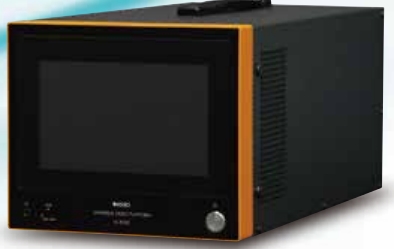
Modular Video Generator
ASTRODESIGN VG-879-B Digital Video Generator

ASTRODESIGN VG-879-B Digital Video Generator

Modular digital video generator for configurable HDMI and other professional video-interface testing environments.

View VG-879-B
Configurable Platform
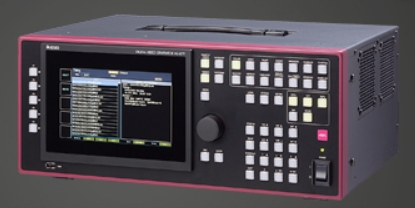
ASTRODESIGN LS-8500 Universal Video Generator / Analyzer

ASTRODESIGN LS-8500 Universal Video Generator / Analyzer

Configurable generator and analyzer platform that can support HDMI testing according to the installed interface board and configuration.

View LS-8500
Selected solution HDMI Protocol Analysis

HDMI interface and protocol validation

HDMI Protocol & Link Analysis

Analyze HDMI signal behavior, protocol information, link status, HDCP, EDID, SCDC, audio, and related communication during source, sink, and repeater development.

Typical applications

  • HDMI source-device development
  • HDMI sink-device development
  • Repeater and interface debugging
  • HDMI 2.1 pre-compliance evaluation

Recommended for this solution

Recommended Products

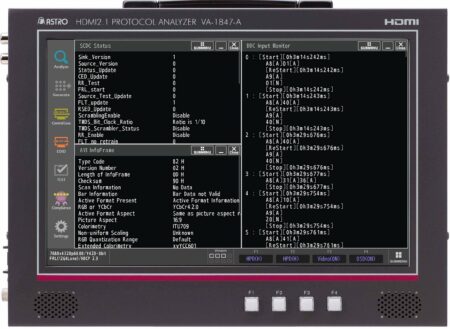
HDMI 2.1 Protocol Analyzer
ASTRODESIGN VA-1847-A HDMI2.1 Protocol Analyzer

ASTRODESIGN VA-1847-A HDMI2.1 Protocol Analyzer

HDMI 2.1 protocol analyzer supporting FRL and TMDS signal analysis, HDCP, EDID, SCDC, DDC/CEC monitoring, and HDMI 2.1 CTS pretest workflows.

View VA-1847-A
Selected solution Source Testing & Production QC

Automated HDMI source validation

HDMI Source Testing & Quality Control

Automate HDMI source-device inspection and quality-control workflows using repeatable measurements, protocol verification, link-training tests, and externally controlled test sequences.

Typical applications

  • HDMI source production testing
  • Quality-control inspection
  • Automated test systems
  • FRL Link Training verification

Recommended for this solution

Recommended Products

Automated Source Tester
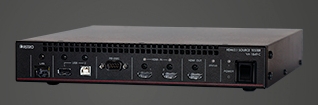
ASTRODESIGN VA-1849-C HDMI 2.1 Source Tester

ASTRODESIGN VA-1849-C HDMI 2.1 Source Tester

HDMI 2.1 source tester designed for automated measurement and analysis through external PC control in production and quality-control environments.

View VA-1849-C
Selected solution DisplayPort & Multi-Interface

Multi-interface display validation

DisplayPort & Multi-Interface Video Testing

Extend display and video-interface evaluation beyond a single HDMI workflow using configurable platforms for DisplayPort and other professional video interfaces.

Typical applications

  • DisplayPort development
  • Multi-interface display systems
  • Professional video equipment
  • Flexible laboratory validation platforms

Recommended for this solution

Recommended Products

Multi-Interface Generation
ASTRODESIGN VG-879-B Digital Video Generator

ASTRODESIGN VG-879-B Digital Video Generator

Modular signal-generation platform supporting configurable video interfaces including HDMI, DisplayPort, SDI, and V-by-One HS depending on the installed units.

View VG-879-B
Universal Validation Platform
ASTRODESIGN LS-8500 Universal Video Generator / Analyzer

ASTRODESIGN LS-8500 Universal Video Generator / Analyzer

Flexible generator and analyzer platform supporting HDMI, DisplayPort, and MIPI configurations through selectable interface hardware and functionality.

View LS-8500

HDMI & Display Test Workflow

Choose the Test Layer Before the Instrument

Display-interface testing can require several different functions. Separate signal generation, protocol analysis, automated source inspection, and multi-interface validation before selecting the appropriate platform.

  1. 1. Generate Create repeatable HDMI and video test signals for display, sink-device, and image-system development.
  2. 2. Analyze Inspect HDMI protocol behavior, FRL or TMDS operation, HDCP, EDID, SCDC, and related communication.
  3. 3. Automate Use externally controlled source-testing workflows for repeatable production and quality-control inspection.
  4. 4. Expand Use modular or configurable platforms when the test environment spans DisplayPort, HDMI, or additional professional video interfaces.

HDMI & Display Interface Testing

HDMI and Display Interface Testing by Application

HDMI and display-interface validation can involve several different test layers: generating known video signals, analyzing protocol and link behavior, automating source-device inspection, or validating products that support multiple video interfaces. Selecting the correct test platform starts with the DUT role and the behavior that must be measured or reproduced.

HDMI Sink and Display Evaluation

Displays, televisions, monitors, AV equipment, and other HDMI sink devices commonly require repeatable video generation across resolution, frame rate, color format, and link configurations. A generator provides a controlled source for functional evaluation, image verification, debugging, and production-oriented display testing.

HDMI Protocol and Link Analysis

Source, sink, and repeater development may require visibility into FRL or TMDS operation together with EDID, SCDC, HDCP, DDC, CEC, audio, and related interface behavior. Protocol analysis helps isolate interoperability issues that cannot be diagnosed from the displayed image alone.

HDMI Source Testing and Production QC

HDMI source devices can require repeatable automated inspection of output behavior, protocol information, link training, and measurement results. Externally controlled test platforms are useful when the same verification sequence must be reproduced across development, quality-control, or production environments.

DisplayPort and Multi-Interface Validation

Products that combine HDMI with DisplayPort or professional video interfaces may benefit from a modular or configurable platform rather than separate instruments for every interface. Define the required interface hardware, signal direction, formats, and analysis functions before selecting the platform.

Generation, Protocol Analysis, and Automated Validation

1. Generate a Known Signal

Use a signal generator when the DUT is primarily a display or sink device. The generator supplies a repeatable HDMI or video stimulus so the DUT can be evaluated under controlled timing and format conditions.

2. Observe Link and Protocol Behavior

Use a protocol analyzer when the requirement is to inspect what is happening on the HDMI interface itself. This is especially relevant for source/sink interoperability, link negotiation, FRL or TMDS behavior, EDID exchange, content protection, and control-channel debugging.

3. Automate Repetitive Source Inspection

Use a source tester or externally controlled analyzer when the same measurement sequence must be executed repeatedly. Automation can improve consistency when validating multiple units or running quality-control and production tests.

4. Expand to Multiple Interfaces

A configurable platform is appropriate when the lab must support HDMI, DisplayPort, or additional professional video interfaces. Confirm the required interface modules and functions for the actual system configuration.

How to Select HDMI or Display Interface Test Equipment

Selection Factor What to Define Typical Test Direction
DUT role Source, sink/display, repeater, or multi-interface device Determines whether generation, analysis, or source testing is primary
Interface HDMI, DisplayPort, or additional professional video interfaces Defines required interface hardware and platform configuration
HDMI link requirement TMDS, FRL, and applicable HDMI-generation requirements Determines generator/analyzer capability needed for the link under test
Protocol visibility EDID, SCDC, HDCP, DDC/CEC, audio, link status, or related information Points toward protocol-analysis workflows
Video requirement Resolution, frame rate, color format, and required test patterns Defines signal-generation and display-validation requirements
Automation Manual R&D use, scripted validation, QC, or production inspection Determines need for external control and repeatable test sequences
Validation scope Functional image test, interface debugging, protocol analysis, or end-of-line inspection Prevents selecting a platform that addresses only one layer of the problem

HDMI & Display Interface Testing FAQ

What is the difference between an HDMI signal generator and an HDMI protocol analyzer?

A signal generator creates a controlled HDMI stimulus for testing a sink or display device. A protocol analyzer observes and analyzes interface behavior between HDMI devices. They solve different parts of the validation problem.

When is an HDMI source tester appropriate?

A source tester is appropriate when an HDMI source device must be checked repeatedly using defined measurement or inspection sequences. This is useful for automated validation, quality-control, and production-oriented workflows.

Why are FRL and TMDS requirements important when selecting equipment?

HDMI test requirements depend on the link modes used by the DUT. Select equipment around the actual link behavior that must be generated, observed, or validated rather than around resolution alone.

When should a multi-interface video test platform be considered?

A configurable platform is useful when the same development environment must support HDMI together with DisplayPort or other professional video interfaces. Confirm the required interface modules, generation or analysis direction, and supported workflow before configuration.

What information should I provide when requesting an HDMI test recommendation?

Provide the DUT type, whether it is a source or sink, required interfaces, HDMI link mode, resolution and frame-rate targets, protocol items to inspect, automation requirements, and whether the system must support interfaces other than HDMI.

Application Support

Discuss Your HDMI or Display Interface Test Requirement

Share your DUT type, interface, signal direction, HDMI link requirement, video format, protocol-analysis need, and automation scope. Denkei Corporation Americas can help narrow the appropriate ASTRODESIGN test workflow and platform.

Discuss Your Application