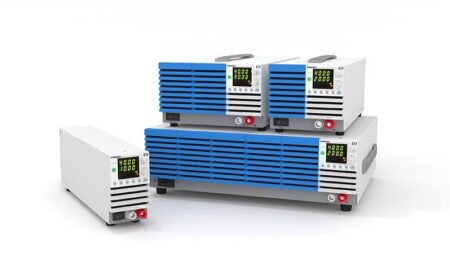
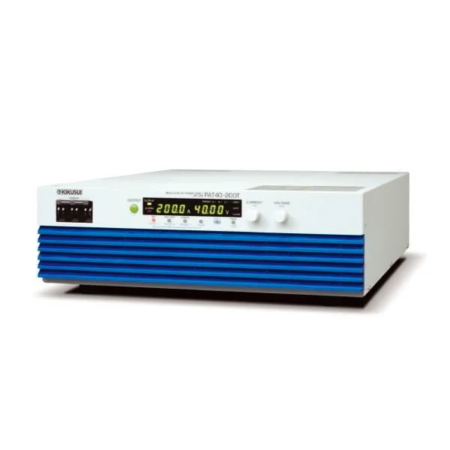
KIKUSUI PWR-01 Series Compact Wide-Range DC Power Supply
Wide-range programmable CV/CC DC source for bench, automated, and multi-channel DC power applications.
View PWR-01 SeriesDC Power · Source/Sink · Battery Simulation · High Power
Select a DC power architecture based on whether the DUT needs a programmable source, bidirectional source/sink behavior, battery simulation, or a higher-power DC system.
Start with voltage, current, continuous and peak power, required direction of power flow, transient behavior, and automation needs.
FIND YOUR SOLUTION
Choose the source, source/sink, battery-simulation, or high-power workflow that best matches the DUT.
Controlled DC source testing
Create repeatable DC input conditions for components and systems using programmable voltage/current control and automated profiles.
Recommended for this solution
Wide-range programmable CV/CC DC source for bench, automated, and multi-channel DC power applications.
View PWR-01 Series
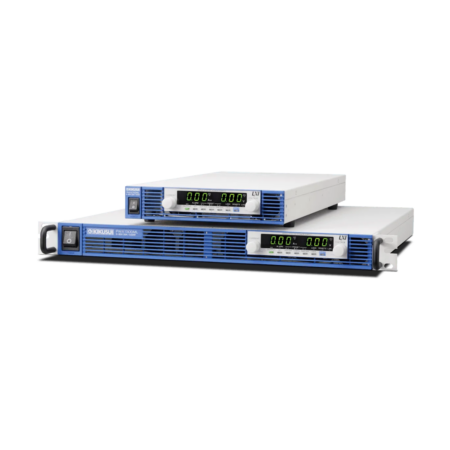
Rack-oriented wide-range DC source for automated test systems, network control, and repeatable voltage/current profiles.
View PWX SeriesTwo-way DC power flow
Source power to the DUT and absorb returned power when the test requires reversible energy flow or regenerative behavior.
Recommended for this solution
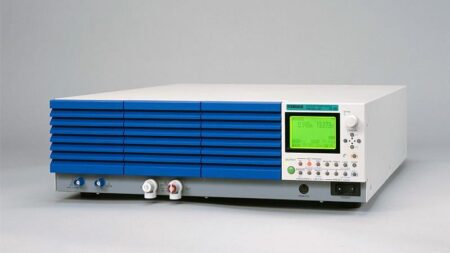
Bidirectional DC source and regenerative sink for battery simulation, source/sink operation, and high-power DC validation.
View PXB Series
Four-quadrant bipolar source/sink platform for dynamic voltage/current conditions and reversible power flow at lower power levels.
View PBZ SeriesBattery-connected DUT validation
Replace a physical battery with a controlled electrical source/sink environment for repeatable testing of battery-connected devices.
Recommended for this solution
Bidirectional DC source and regenerative sink for battery simulation, source/sink operation, and high-power DC validation.
View PXB Series
Four-quadrant bipolar source/sink platform for dynamic voltage/current conditions and reversible power flow at lower power levels.
View PBZ SeriesHigher-power DC source systems
Build higher-capacity DC source systems for power electronics, automotive, energy, and component validation where power and system integration are primary constraints.
Recommended for this solution
High-capacity programmable DC source for higher-power component, automotive, energy, and power-electronics evaluation.
View PAT-T Series
Bidirectional DC source and regenerative sink for battery simulation, source/sink operation, and high-power DC validation.
View PXB SeriesDC Power Selection
A DC power system should be selected from the DUT operating range and required power-flow behavior rather than from a model number alone.
DC Power Test Architectures
Programmable DC supplies, bidirectional supplies, bipolar sources, and higher-capacity DC systems solve different electrical requirements. Select by DUT voltage/current envelope, required power direction, dynamic behavior, and test-system integration.
Use a programmable DC source when the DUT only needs controlled input power and does not return energy to the source.
Choose bidirectional or four-quadrant equipment when current direction can reverse and the source must also absorb power.
Battery simulation provides a repeatable electrical source/sink environment without depending on the condition of a physical battery.
For higher-power DUTs, define operating point, duty cycle, facility power, cooling, and expansion requirements before choosing the source.
How to Select
The categories below describe the role of the instrument in the test system. Product-specific ratings and operating regions must still be confirmed before selection.
| Architecture | Power-flow behavior | Typical use |
|---|---|---|
| Programmable DC supply | Sources DC power | Controlled DUT input and voltage/current profile testing |
| Bidirectional DC supply | Sources and absorbs power | Battery simulation and regenerative DUT evaluation |
| Bipolar / four-quadrant supply | Positive/negative voltage and current; source/sink | Dynamic reversible power and bipolar load conditions |
| High-capacity DC supply | Sources higher DC power | Higher-power component and power-electronics evaluation |
Frequently Asked Questions
Use a bidirectional platform when the DUT can return energy to the source or when the test requires both sourcing and sinking, such as battery simulation or regenerative operation. A conventional DC supply is appropriate when power only needs to flow from the instrument to the DUT.
Define minimum and maximum voltage, current, continuous and peak power, load behavior, transient requirements, required interfaces, sequencing, and whether the instrument must source only or source and sink.
Battery simulation generally requires controlled source/sink behavior and may also use programmable characteristics such as internal resistance or voltage profiles. The exact battery-simulation functions vary by instrument.
Four-quadrant operation allows positive and negative voltage/current combinations with both sourcing and absorbing power. It is useful for bipolar and dynamic loads where current direction can reverse.
Use the DUT operating envelope rather than maximum voltage and maximum current independently. Confirm the required operating point, continuous and peak power, duty cycle, parallel or series needs, facility input power, and cooling requirements.
Application Support
Share the DUT, voltage and current range, continuous and peak power, required power direction, transient conditions, operating duty cycle, and automation needs. Denkei Americas can help narrow the appropriate KIKUSUI DC power architecture.